



You’re constantly juggling patient care, administrative tasks, and constantly trying to find ways to make your practice more efficient. What if you could address one of your patients’ biggest pain points while streamlining your practice?
According to the 2022 Software Advice Patient Experience Survey, 31% of patients said making an appointment was the biggest hassle regarding their last doctor’s visit. That means about one in three patients might see scheduling as a roadblock to visiting your practice. So, what’s the solution?
Patient self-scheduling.
A recent study revealed that 80% of patients are likelier to choose a physician who offers online scheduling.
In this blog post, we’ll dive into how this innovative approach improves patient satisfaction and benefits your healthcare practice in many ways. With patient self-scheduling, say goodbye to phone tag and welcome to a more efficient, patient-centered practice.
But first thing first. What exactly is patient self-scheduling, and why is it so important?
Patient self-scheduling is a modern approach in the healthcare industry that allows patients to take control of their medical appointments. This process enables patients to schedule appointments themselves without going through a receptionist or nurse.
With patient self-scheduling, patients can book their appointments at any time, day or night, without needing a phone call or in-person visit. This approach can be done through various methods, including online and mobile scheduling tools, automated phone systems, and patient portals.
Let’s discuss each of the methods in more detail:
These allow patients to schedule appointments via your website, which can be accessed 24/7 from anywhere. It is a great option for patients who prefer to handle things online and don’t want to spend time on the phone.
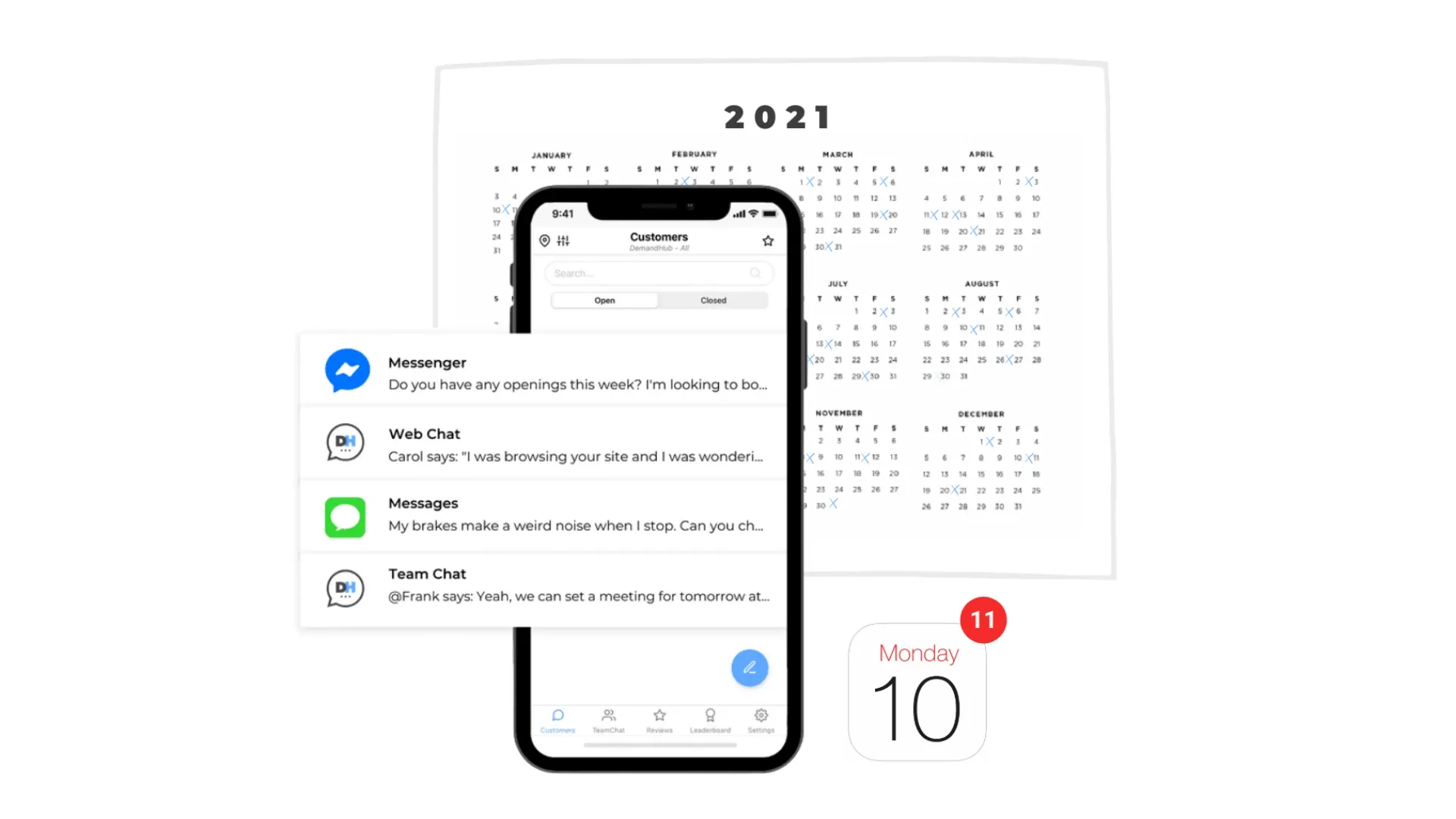
These apps allow patients to schedule appointments from their phones, which can be especially convenient for busy patients who are always on the go. Many apps also offer features like appointment reminders and the ability to reschedule or cancel appointments.
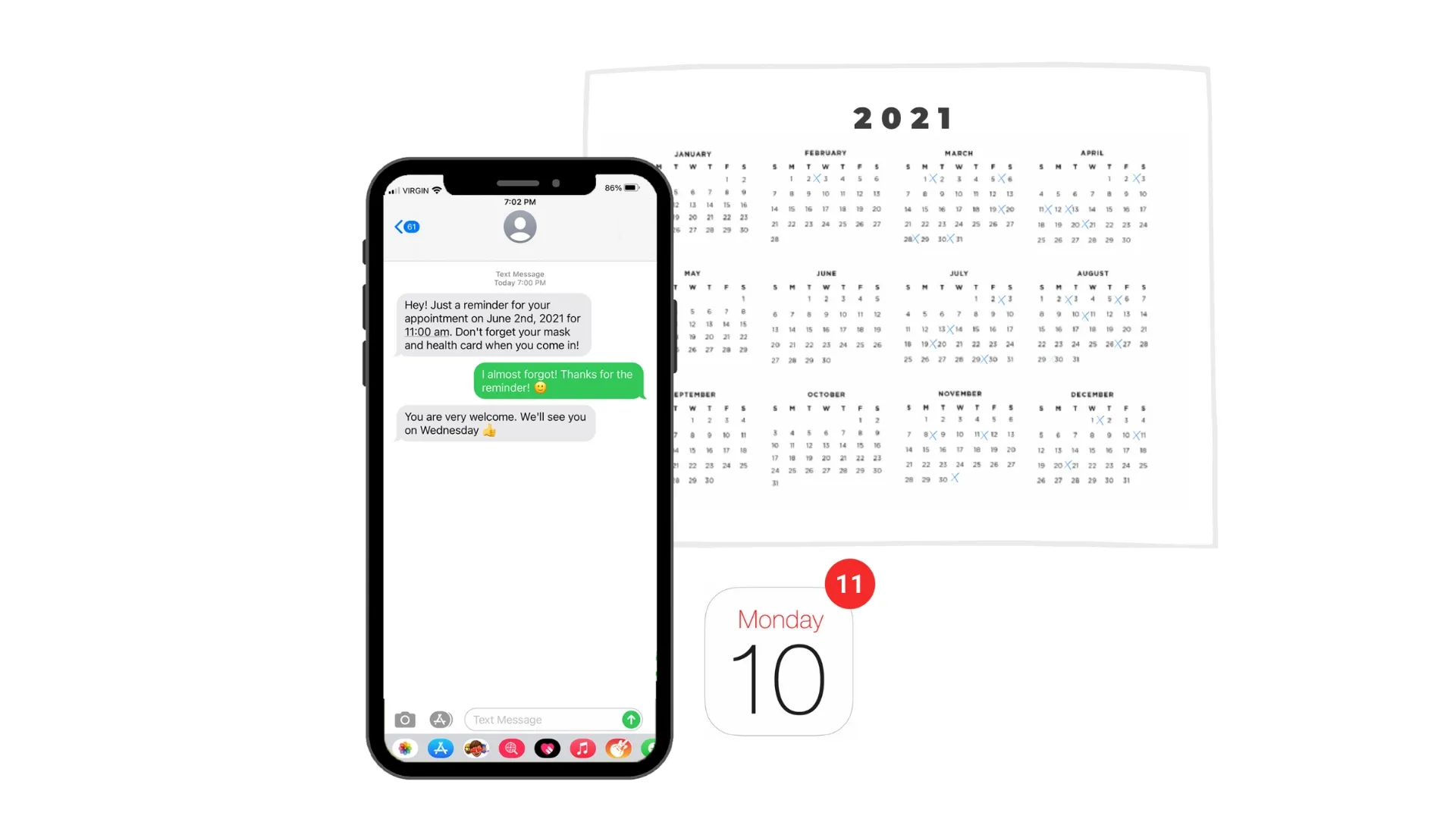
These systems enable patients to schedule appointments via phone without speaking with a receptionist. This can be a good option for patients who prefer to handle things over the phone but don’t want to wait on hold or deal with scheduling during business hours.
These combine elements of online, mobile, and phone scheduling into a cohesive system. This can be a great option for large health systems or for practices that want to offer multiple scheduling options to their patients and streamline the scheduling process. A great example of an integrated and comprehensive patient scheduling software platform is DemandHub.
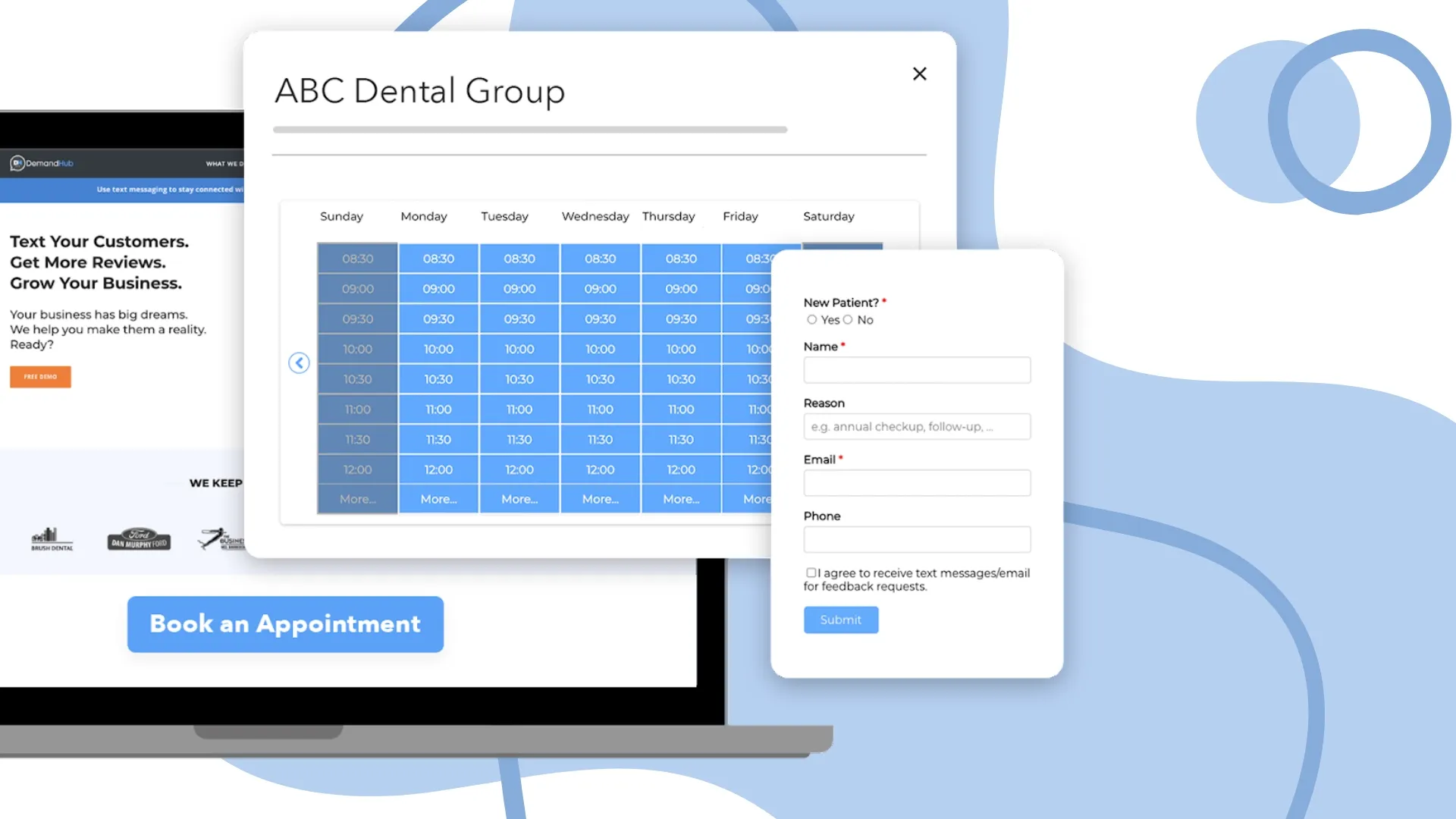
When choosing a self-scheduling tool, consider your practice’s needs, your patient’s preferences, and the level of support and training that will be required. Choosing a user-friendly and easy-to-navigate tool. Educate patients and train your staff on how to use it.
A study by Accenture found that 64% of patients expect to book appointments digitally in the future, indicating a growing preference for self-scheduling. So why not give it a try?
Offering self-scheduling to your patients is important for the health systems for several reasons:
Convenience is one of the major benefits of patient self-scheduling. Patients can easily schedule appointments based on their availability, reducing the likelihood of missed appointments and the need for rescheduling.
Additionally, this approach can help reduce wait times for patients, as they can quickly book appointments that fit their schedules.
Another advantage of patient self-scheduling is that it can help healthcare organizations and providers streamline their appointment booking process. By reducing the workload on receptionists and nurses, healthcare providers can redirect their focus to other critical tasks, such as patient care and administrative duties.
With self-scheduling, patients can effortlessly book new appointments, tweak, or even cancel the existing ones. This feature saves patients from the dreaded phone tag and cuts down on calls flooding your practice.
And here’s the cherry on top: automated appointment reminders swoop in to save your practice precious time while keeping those pesky no-shows at bay.
Self-scheduling platforms display available appointment slots in real-time, allowing patients to choose the best time. This helps distribute appointments evenly throughout the day and prevents overbooking.
Moreover, online self-scheduling allows patients to book appointments quickly without waiting on hold or playing phone tag with the practice staff. This can lead to earlier appointments, cutting down on wait times.
Patient self-scheduling is a game-changer in the healthcare industry, benefiting patients and healthcare providers. It improves patient satisfaction, reduces wait times, and streamlines the appointment booking process, ultimately leading to better healthcare and patient outcomes everywhere.
Did you know that 88% of providers claim their EHR has stepped up patient care? As the healthcare landscape keeps evolving, practices always look for ways to increase efficiency and keep their patients happy. Recent years have seen a rise in patient self-scheduling tools.
A study discovered that self-scheduling led to many confirmed appointments, reducing staff scheduler time. Moreover, 29.5% of self-scheduling happened outside the typical staff scheduler hours. That’s the importance of round-the-clock convenience.
This shows how patient self-scheduling is a win-win for patients and medical practices staff. By allowing patients to book, tweak, or even cancel appointments beyond the usual business hours, self-scheduling ensures your practice makes the most of its appointment slots, paving the way for smarter time management and resource allocation.
Offering an online patient self-scheduling portal for your practice involves a few key steps:
Research and select a self-scheduling software solution that meets your practice’s needs. Look for a user-friendly, secure platform compatible with your existing EHR and practice management system.
Adopt self-scheduling as a key component of a comprehensive patient engagement platform. Imagine a highly efficient, digital practice where patients can:
It might sound like something out of a sci-fi movie, but digital practice is already here, providing healthcare practices with unparalleled efficiency and a truly engaged patient population.
DemandHub is a complete 360-degree patient engagement solution! With self-scheduling and many other features, it streamlines your practice like never before. It offers many digital patient engagement tools to grow your practice.
Enjoy automatic text message reminders, web chats, Facebook, and SMS messaging – all managed from a user-friendly unified inbox. Effortlessly request reviews and enable contactless payments for a seamless experience. DemandHub truly has it all – don’t wait; explore DemandHub now!
Ensure the self-scheduling software you choose integrates seamlessly with your current EHR and practice management system. It allows for real-time data exchange and reduces the risk of data discrepancies.
Educate your team on using the self-scheduling portal and provide them with the necessary training materials. Ensure they understand the system’s benefits and can assist patients with any questions or concerns.
Your patients will love the convenience of scheduling appointments without making calls, but they need to know it’s an option! Simply hosting self-scheduling on your website or portal isn’t enough, as they may not visit these places frequently.
Here’s how you can spread the word about self-scheduling and encourage adoption:
Optimized patient scheduling involves the average appointment length and allowing a buffer of 5-10 minutes on either side if a session runs longer than expected. Also, keep in mind the specific treatment the patient may need.
By defining a certain number of appointment types and durations, you can make it easy for patients to book their preferred time while ensuring that the time slots match their treatment requirements.
Accurately defining your appointment types is the key to maintaining an organized schedule and simplifying the patient booking process.
Avoid broad categories, as they can make it challenging to set appointment lengths and monitor patient flow. On the other hand, having too many appointment types can be confusing for patients and difficult for you to manage.
Regularly review the performance of your self-scheduling portal by tracking metrics like appointment bookings, cancellations, and patient feedback. Use this data to identify areas for improvement and make any necessary adjustments to enhance the user experience and overall efficiency.
Offer assistance to patients who have difficulty using the patient portal or encounter issues with the patient database. Ensure your staff can answer questions and promptly address concerns, demonstrating your commitment to patient satisfaction.
By implementing these steps, you can successfully offer an online patient self-scheduling portal for your practice, improving efficiency, improving patient satisfaction, and overall patient experience.
Get the benefits of patient self-scheduling by implementing DemandHub at your healthcare practice. Self-scheduling offers convenience. It enhances patient satisfaction and streamlines practice management, ultimately improving efficiency and resource allocation.
With DemandHub, you can empower your patients to schedule appointments based on availability, reducing no-shows and last-minute cancellations that result in revenue leaks.
Let your patients book visits directly from your website. Keep your calendars full and focus on providing quality care. This is your chance to transform your practice with a patient-centric approach.
Are you ready to transform your practice with DemandHub? Schedule a demo today and explore how DemandHub can enhance your patient scheduling experience and improve your practice’s efficiency!
{% include faq.md %}
You’re constantly juggling patient care, administrative tasks, and constantly trying to find ways to make your practice more efficient. What if you could address one of your patients’ biggest pain points while streamlining your practice?
According to the 2022 Software Advice Patient Experience Survey, 31% of patients said making an appointment was the biggest hassle regarding their last doctor’s visit. That means about one in three patients might see scheduling as a roadblock to visiting your practice. So, what’s the solution?
Patient self-scheduling.
A recent study revealed that 80% of patients are likelier to choose a physician who offers online scheduling.
In this blog post, we’ll dive into how this innovative approach improves patient satisfaction and benefits your healthcare practice in many ways. With patient self-scheduling, say goodbye to phone tag and welcome to a more efficient, patient-centered practice.
But first thing first. What exactly is patient self-scheduling, and why is it so important?
Patient self-scheduling is a modern approach in the healthcare industry that allows patients to take control of their medical appointments. This process enables patients to schedule appointments themselves without going through a receptionist or nurse.
With patient self-scheduling, patients can book their appointments at any time, day or night, without needing a phone call or in-person visit. This approach can be done through various methods, including online and mobile scheduling tools, automated phone systems, and patient portals.
Let’s discuss each of the methods in more detail:
These allow patients to schedule appointments via your website, which can be accessed 24/7 from anywhere. It is a great option for patients who prefer to handle things online and don’t want to spend time on the phone.
These apps allow patients to schedule appointments from their phones, which can be especially convenient for busy patients who are always on the go. Many apps also offer features like appointment reminders and the ability to reschedule or cancel appointments.
These systems enable patients to schedule appointments via phone without speaking with a receptionist. This can be a good option for patients who prefer to handle things over the phone but don’t want to wait on hold or deal with scheduling during business hours.
These combine elements of online, mobile, and phone scheduling into a cohesive system. This can be a great option for large health systems or for practices that want to offer multiple scheduling options to their patients and streamline the scheduling process. A great example of an integrated and comprehensive patient scheduling software platform is DemandHub.
When choosing a self-scheduling tool, consider your practice’s needs, your patient’s preferences, and the level of support and training that will be required. Choosing a user-friendly and easy-to-navigate tool. Educate patients and train your staff on how to use it.
A study by Accenture found that 64% of patients expect to book appointments digitally in the future, indicating a growing preference for self-scheduling. So why not give it a try?
Offering self-scheduling to your patients is important for the health systems for several reasons:
Convenience is one of the major benefits of patient self-scheduling. Patients can easily schedule appointments based on their availability, reducing the likelihood of missed appointments and the need for rescheduling.
Additionally, this approach can help reduce wait times for patients, as they can quickly book appointments that fit their schedules.
Another advantage of patient self-scheduling is that it can help healthcare organizations and providers streamline their appointment booking process. By reducing the workload on receptionists and nurses, healthcare providers can redirect their focus to other critical tasks, such as patient care and administrative duties.
With self-scheduling, patients can effortlessly book new appointments, tweak, or even cancel the existing ones. This feature saves patients from the dreaded phone tag and cuts down on calls flooding your practice.
And here’s the cherry on top: automated appointment reminders swoop in to save your practice precious time while keeping those pesky no-shows at bay.
Self-scheduling platforms display available appointment slots in real-time, allowing patients to choose the best time. This helps distribute appointments evenly throughout the day and prevents overbooking.
Moreover, online self-scheduling allows patients to book appointments quickly without waiting on hold or playing phone tag with the practice staff. This can lead to earlier appointments, cutting down on wait times.
Patient self-scheduling is a game-changer in the healthcare industry, benefiting patients and healthcare providers. It improves patient satisfaction, reduces wait times, and streamlines the appointment booking process, ultimately leading to better healthcare and patient outcomes everywhere.
Did you know that 88% of providers claim their EHR has stepped up patient care? As the healthcare landscape keeps evolving, practices always look for ways to increase efficiency and keep their patients happy. Recent years have seen a rise in patient self-scheduling tools.
A study discovered that self-scheduling led to many confirmed appointments, reducing staff scheduler time. Moreover, 29.5% of self-scheduling happened outside the typical staff scheduler hours. That’s the importance of round-the-clock convenience.
This shows how patient self-scheduling is a win-win for patients and medical practices staff. By allowing patients to book, tweak, or even cancel appointments beyond the usual business hours, self-scheduling ensures your practice makes the most of its appointment slots, paving the way for smarter time management and resource allocation.
Offering an online patient self-scheduling portal for your practice involves a few key steps:
Research and select a self-scheduling software solution that meets your practice’s needs. Look for a user-friendly, secure platform compatible with your existing EHR and practice management system.
Adopt self-scheduling as a key component of a comprehensive patient engagement platform. Imagine a highly efficient, digital practice where patients can:
It might sound like something out of a sci-fi movie, but digital practice is already here, providing healthcare practices with unparalleled efficiency and a truly engaged patient population.
DemandHub is a complete 360-degree patient engagement solution! With self-scheduling and many other features, it streamlines your practice like never before. It offers many digital patient engagement tools to grow your practice.
Enjoy automatic text message reminders, web chats, Facebook, and SMS messaging – all managed from a user-friendly unified inbox. Effortlessly request reviews and enable contactless payments for a seamless experience. DemandHub truly has it all – don’t wait; explore DemandHub now!
Ensure the self-scheduling software you choose integrates seamlessly with your current EHR and practice management system. It allows for real-time data exchange and reduces the risk of data discrepancies.
Educate your team on using the self-scheduling portal and provide them with the necessary training materials. Ensure they understand the system’s benefits and can assist patients with any questions or concerns.
Your patients will love the convenience of scheduling appointments without making calls, but they need to know it’s an option! Simply hosting self-scheduling on your website or portal isn’t enough, as they may not visit these places frequently.
Here’s how you can spread the word about self-scheduling and encourage adoption:
Optimized patient scheduling involves the average appointment length and allowing a buffer of 5-10 minutes on either side if a session runs longer than expected. Also, keep in mind the specific treatment the patient may need.
By defining a certain number of appointment types and durations, you can make it easy for patients to book their preferred time while ensuring that the time slots match their treatment requirements.
Accurately defining your appointment types is the key to maintaining an organized schedule and simplifying the patient booking process.
Avoid broad categories, as they can make it challenging to set appointment lengths and monitor patient flow. On the other hand, having too many appointment types can be confusing for patients and difficult for you to manage.
Regularly review the performance of your self-scheduling portal by tracking metrics like appointment bookings, cancellations, and patient feedback. Use this data to identify areas for improvement and make any necessary adjustments to enhance the user experience and overall efficiency.
Offer assistance to patients who have difficulty using the patient portal or encounter issues with the patient database. Ensure your staff can answer questions and promptly address concerns, demonstrating your commitment to patient satisfaction.
By implementing these steps, you can successfully offer an online patient self-scheduling portal for your practice, improving efficiency, improving patient satisfaction, and overall patient experience.
Get the benefits of patient self-scheduling by implementing DemandHub at your healthcare practice. Self-scheduling offers convenience. It enhances patient satisfaction and streamlines practice management, ultimately improving efficiency and resource allocation.
With DemandHub, you can empower your patients to schedule appointments based on availability, reducing no-shows and last-minute cancellations that result in revenue leaks.
Let your patients book visits directly from your website. Keep your calendars full and focus on providing quality care. This is your chance to transform your practice with a patient-centric approach.
Are you ready to transform your practice with DemandHub? Schedule a demo today and explore how DemandHub can enhance your patient scheduling experience and improve your practice’s efficiency!
{% include faq.md %}